
Myofunctional Therapy for Children: Benefits, Signs & How It Helps
If your child struggles with mouth breathing, restless sleep, or crowded teeth, it can feel hard to know where to start.
Many parents are told to “wait and see” but these early signs often point to underlying muscle dysfunctions that can impact your child’s development over time.
Myofunctional therapy offers a gentle, effective way to support these dysfunctional muscle patterns, helping children breathe, sleep, and develop as they’re meant to.
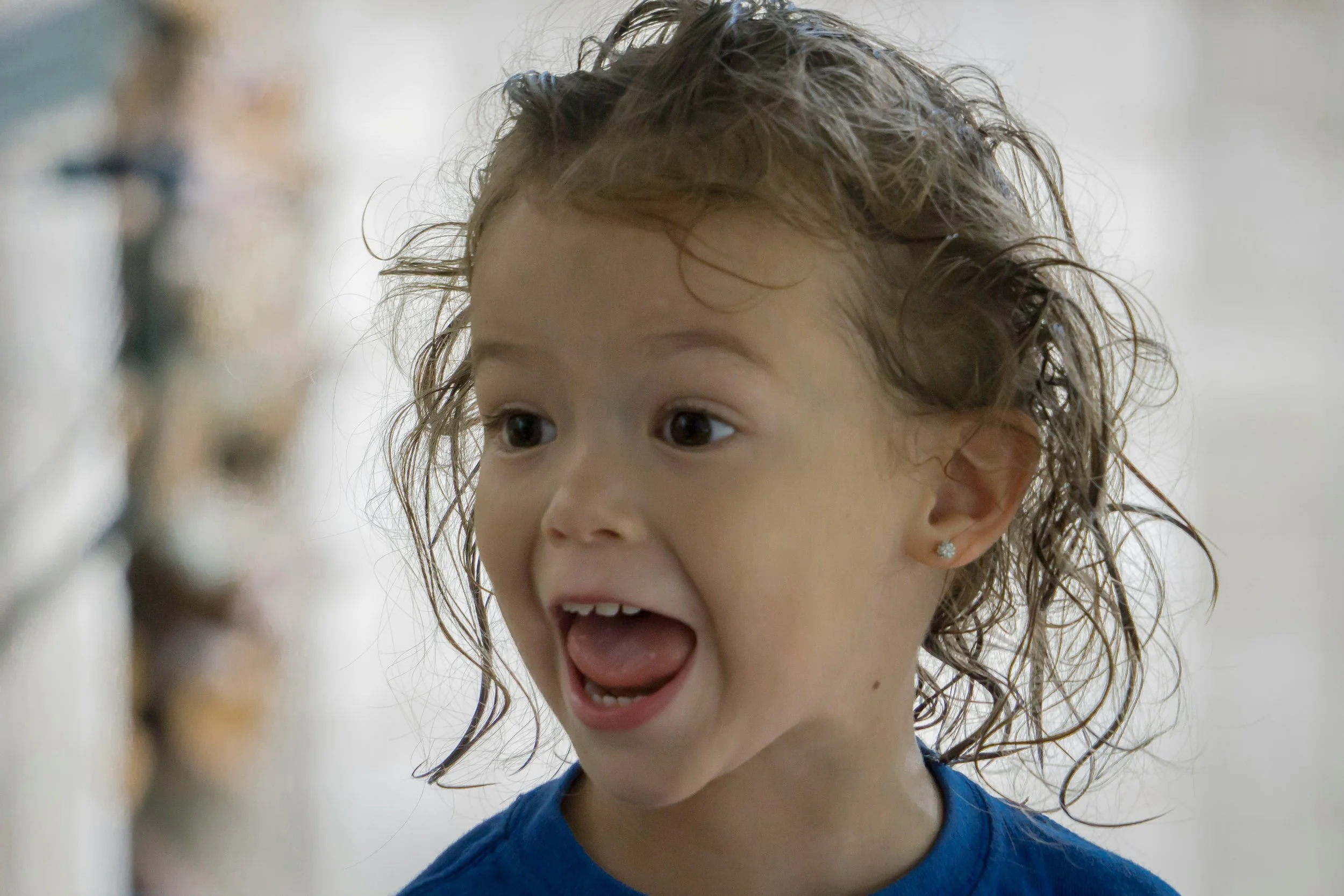
What is Myofunctional Therapy?
Myofunctional therapy is a series of simple, guided exercises that retrain how the muscles of the face, tongue, and mouth function.
It focuses on improving:
Tongue posture
Nasal breathing
Correct swallowing
Lip seal
These habits happen thousands of times a day—so when they’re working well, they support healthy growth. When they’re not, they can quietly influence how your child’s face, airway, and nervous system develop.
Signs Your Child May Benefit
Many of the signs are subtle and often dismissed as “normal”:
Mouth breathing
Snoring or restless sleep
Frequent ear infections or tonsillitis
Crowded teeth or narrow arches
Speech clarity concerns
Difficulty chewing or swallowing
Lack of lip seal
Research shows that mouth breathing in children can interfere with normal facial growth and jaw development, as well as overall function.
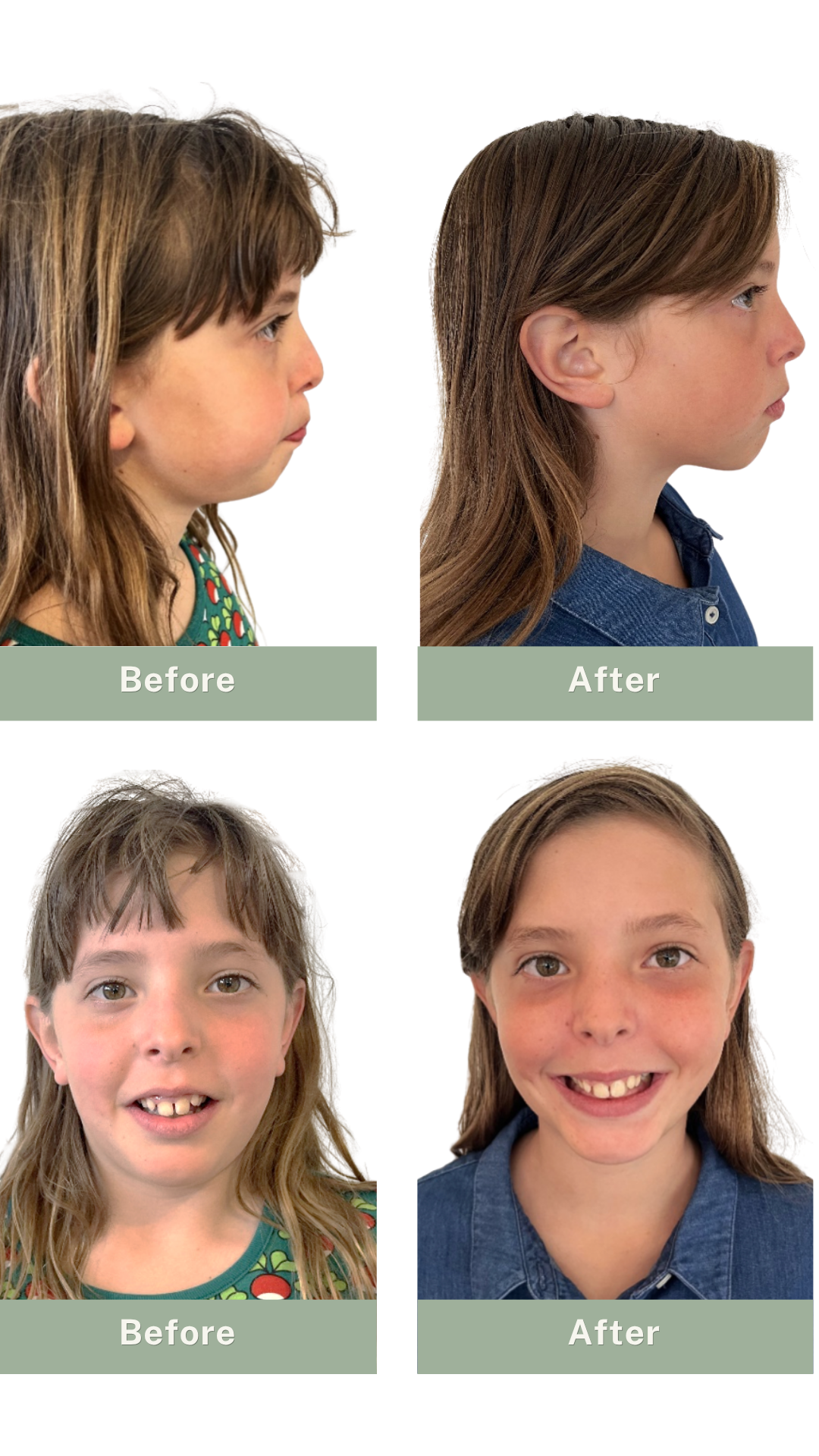
9-year-old client transformation showing improved tongue posture, swallowing pattern, 95% nasal breathing, and 95% lip seal. Great results from myofunctional therapy.
The Benefits of Myofunctional Therapy for Children
Better Sleep Quality
Myofunctional therapy supports nasal breathing, which is essential for deep, restorative sleep.
A meta-analysis found that myofunctional therapy reduced sleep-disordered breathing severity in children by 62% and in adults by 50%, while also improving oxygen levels and daytime sleepiness. [1]
Improved Breathing Patterns
Children learn to breathe through their nose consistently, reducing reliance on mouth breathing.
Studies show that myofunctional therapy can significantly reduce habitual mouth breathing and retrain breathing patterns over time. [2]
Supports Healthy Jaw & Facial Development
Proper tongue posture helps guide natural growth of the dental arches.
Research indicates that myofunctional therapy can improve dentofacial development and help correct imbalances caused by mouth breathing and low tongue posture. Regular myofunctional exercises for children can increase arch width, length, and volume and improve facial development outcomes. [3]
Improved Oral Function (Speech, Swallowing, Chewing)
By retraining oral muscles, children develop more efficient and functional patterns for speaking, eating, and swallowing, including correction of tongue thrust and resting tongue posture. [4]
Better Focus, Behaviour & Energy
Sleep and breathing are deeply connected to brain function. When these improve, many parents notice better focus, calmer behaviour, and more stable energy.
Increased Confidence
As children begin to feel better physically—and experience improvements in speech, sleep, and function—their confidence naturally grows. [2]
Why Early Intervention Matters
Children are still growing, which means small changes can create significant long-term impact.
Mouth breathing and poor oral habits don’t just affect the present—they can influence:
Facial structure
Airway development
Sleep quality
Long-term oral health
Early support allows you to guide development, rather than correct it later.
Who Myofunctional Therapy Helps Most
This approach is especially beneficial for children who:
Breathe through their mouth regularly
Snore or have disrupted sleep
Have been recommended orthodontic treatment early
Struggle with chewing or swallowing
Show signs of low tongue posture
It’s also a powerful complementary support alongside:
Orthodontics
ENT care
Speech therapy (when oral function is involved)
You can explore this further on our Children’s Therapy page
What to Expect
The process is simple and supportive:
Assessment – Understanding your child’s breathing and oral habits
Personalised Plan – Tailored exercises for your child
Ongoing Support – Guidance to build consistency
Lasting Results – Healthy habits that support lifelong wellbeing
Is Myofunctional Therapy a Good Option?
For many families, the biggest benefit is that this approach addresses the root cause, not just the symptoms.
It is:
Gentle and non-invasive
Designed for children
Easy to integrate into daily life
Focused on long-term outcomes
Rather than waiting for issues to progress, it supports your child’s development as it’s happening.

Frequently Asked Questions
How long does it take to see results?
Many families notice changes within a few months with consistent practice.
Is my child too young?
Early intervention is often the most effective.
Will it feel overwhelming?
Exercises are simple, short, and designed to fit into daily routines.
Final Thoughts
If something feels “off” with your child’s breathing, sleep, or development—it’s worth exploring.
These early patterns matter more than we once thought, and with the right support, they can be gently corrected.
References
[1] Camacho M, et al. Myofunctional Therapy to Treat Obstructive Sleep Apnea: A Systematic Review and Meta-analysis. Sleep. 2015.
[2] González Garrido MDP, et al. Effectiveness of Myofunctional Therapy in Ankyloglossia: A Systematic Review. Int J Environ Res Public Health. 2022.
[3] Kamble RH, et al. Comparison of Changes in Intraoral Dynamic Space with Myofunctional Therapy in Skeletal Class II Malocclusion. J Contemp Dent Pract. 2023.
[4] Shah SS, et al. Orofacial Myofunctional Therapy in Tongue Thrust Habit: A Narrative Review. Int J Clin Pediatr Dent. 2021.